The Complete Aquarium Cycling Guide for UK Fishkeepers: Nitrogen Cycle, Fishless Cycling & Troubleshooting
b-complete-aquarium-cycling-guide-uk-2605181900 · coupon SHIP-COMPLETEAQUARIUMCY-260518- INFO [voice_distance] avg cosine distance to top-5 corpus refs = 0.507
- MTF care guides → https://mtf-aquatics.co.uk/care-guides/
- browse our current livestock → https://mtf-aquatics.co.uk/shop/tropical-fish-online/
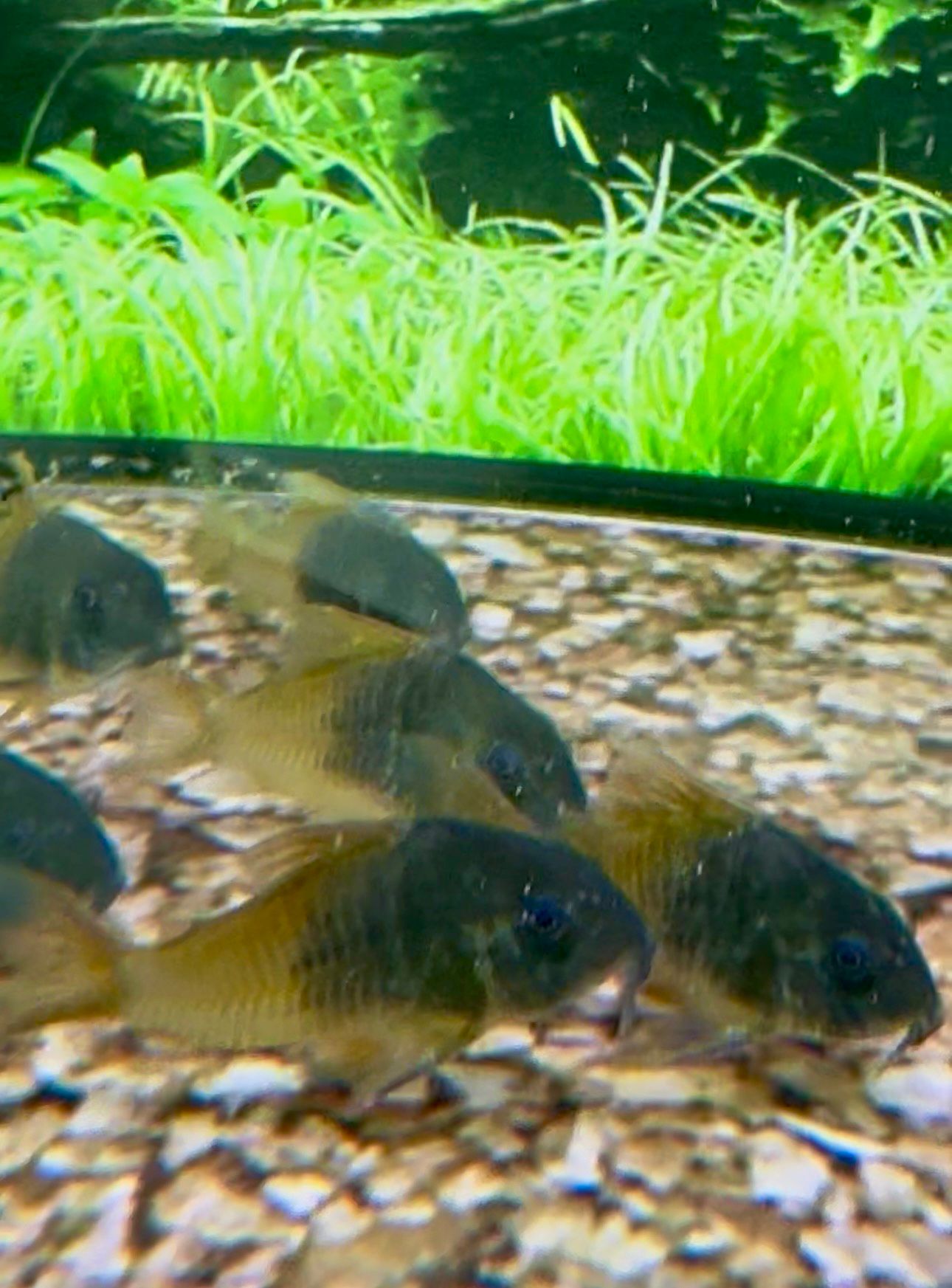
- Corydoras care guide → https://mtf-aquatics.co.uk/care-guides/corydoras-care-guide/
- Giant Wolf Fish care guide → https://mtf-aquatics.co.uk/care-guides/giant-wolf-fish-care-guide/
The Complete Aquarium Cycling Guide for UK Fishkeepers
Nitrogen cycle explained, fishless cycling step-by-step, how to diagnose a stall, and a water testing schedule you can actually use.
If you're setting up a tank for a Black Arowana (Osteoglossum ferreirai), a freshwater stingray, a specimen Wolf Fish (Hoplias aimara), or even a wild-caught CW217 Corydoras, you are spending serious money on serious fish. Every one of those animals will arrive fit, healthy, and ready to eat. What kills them — almost always — isn't the fish. It's the water. Specifically, it's an uncycled filter.
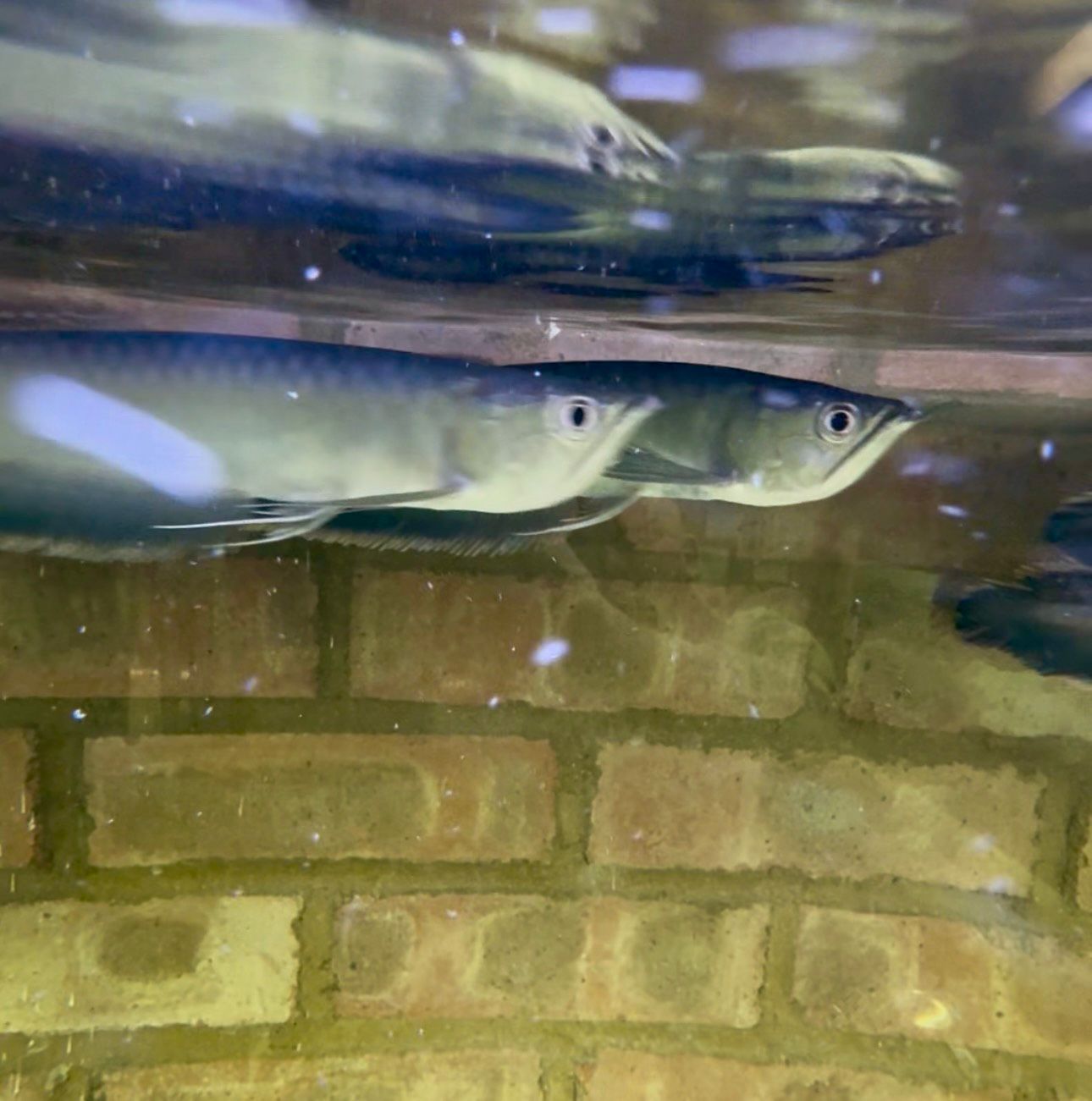
This guide covers everything a UK fishkeeper needs to know about the nitrogen cycle: what it is, how to complete it before a single fish enters the tank, how to recognise and fix a stall, and how to test methodically rather than randomly. It is written for intermediate-to-expert keepers, not beginners. We are not going to explain what a filter is.
What the Nitrogen Cycle Actually Is
The nitrogen cycle is the biological process by which two genera of bacteria — Nitrosomonas and Nitrospira (and related species) — colonise your filter media and convert the toxic waste products of a living aquarium into a form that can be managed by water changes.
Here is the chain:
Fish waste / uneaten food / decaying matter
          ↓
    AMMONIA (NH₃ / NH₄⁺)
    [highly toxic at pH > 7.0]
          ↓  [Nitrosomonas spp.]
    NITRITE (NO₂⁻)
    [toxic; interferes with haemoglobin]
          ↓  [Nitrospira spp.]
    NITRATE (NO₃⁻)
    [relatively harmless below ~40 ppm;
     removed by water changes / plants]
A tank is "cycled" when both bacterial colonies are established in sufficient numbers to convert the ammonia load your stocking plan produces — completely, within 24 hours, every day. Until that point, ammonia or nitrite (or both) will accumulate and will harm or kill fish.
Why UK Tap Water Adds Complexity
UK mains water is chlorinated (and in many regions, chloraminated). Chlorine dissipates overnight or with vigorous aeration; chloramine does not. If you're using tap water, dose a quality dechlorinator that neutralises chloramine, not just chlorine — check the label. Both compounds kill the bacteria you're trying to cultivate. This is a common, silent stall cause that is almost never mentioned in short guides.
UK tap water typically ranges from pH 7.0 to 8.4 depending on your region, with hardness (dGH) from 3–25 °dH. This matters for cycling because ammonia toxicity increases significantly above pH 7.5 — a fact that is especially relevant if you're keeping stingrays or other species in hard, alkaline water.
Fishless Cycling: Step-by-Step
Fishless cycling is the only method we recommend. Adding fish to an uncycled tank and hoping for the best is a false economy that wastes money and harms animals.
What You Need
- A running filter (sponge, canister, sump — doesn't matter, as long as it's circulating water through media)
- A reliable liquid test kit covering: ammonia, nitrite, nitrate, and pH. Drop-test kits (API Master Test Kit, Salifert, JBL ProScan) are far more accurate than strips.
- A pure ammonia source — either a dedicated aquarium ammonia solution or plain household ammonia with no surfactants, perfumes or additives. Shake the bottle: if it foams and the foam holds, it contains surfactants. Bin it.
- A thermometer. Bacterial growth is temperature-sensitive — more on this below.
- Dechlorinator (chloramine-safe)
- Time. Four to eight weeks is normal. There is no shortcut that reliably works without seeded media.
The Dosing Protocol
This is the protocol MTF uses when setting up grow-out tanks from scratch:
| Day | Action |
|---|---|
| 1 | Fill tank, dechlorinate, run filter at operating temperature. Add ammonia to reach 2 ppm on your test kit. |
| Daily | Test ammonia and nitrite every day. Keep ammonia at 1–2 ppm by topping up as needed. |
| ~Day 7–14 | Nitrite will start to rise. This means Nitrosomonas is established. Do not do a water change yet. |
| Ongoing | Continue dosing ammonia to 2 ppm daily. Test both parameters every day. |
| ~Day 21–35 | Nitrate will appear. This means Nitrospira is establishing. Nitrite may spike hard here — this is normal. |
| Final test | Dose to 2 ppm ammonia at lights-out. Test 24 hours later. If ammonia = 0 and nitrite = 0, the cycle is complete. |
| Before stocking | Do a 50% water change to bring nitrate below 20 ppm. Then add fish. |
Target temperature for cycling: 25–28 °C. Bacterial reproduction roughly doubles for every 10 °C rise (within range). Cycling a tank at 18 °C will take significantly longer — often twice as long. If you're setting up a tank for Arowana or stingrays that you intend to run warm, cycle at operating temperature.
Target pH: 7.0–8.0 is ideal. Below pH 6.5, Nitrospira activity slows markedly. Above pH 8.5, ammonia toxicity to the bacteria themselves becomes a factor. If you're setting up a blackwater tank (pH 5.5–6.5), expect a longer, harder cycle — the biology works, but slowly.
Using Seeded Media to Accelerate Cycling
If you have access to established filter media — sponge, bio-balls, ceramic noodles, Matrix — from a trusted, disease-free tank, you can compress the cycling timeline dramatically.
Rules for seeding:
- The donor tank must be genuinely disease-free and recently treated (within 4 weeks) for nothing, including no salt or medication.
- Transfer the media in tank water, not tap water. Exposure to chlorinated tap water will kill the biofilm within minutes.
- Squeeze the media into a bucket of old tank water and pour the bacteria-laden water into your new filter. Every brown, smelly drop counts.
- Even with seeding, run the full final test (2 ppm ammonia → 0 ammonia + 0 nitrite in 24 hours) before stocking. Seeded tanks can still fail under heavier fish loads than the donor tank was carrying.
Commercial bacterial supplements (Tetra SafeStart, Dr Tim's One & Only, API Quick Start) can help, but treat them as an accelerant, not a guarantee. Quality varies. They do not replace the patience of the process.
The Water Testing Schedule
Testing randomly tells you very little. Testing systematically tells you everything. Here is the schedule we follow and recommend:
During Cycling
| Frequency | Parameters | Notes |
|---|---|---|
| Daily | Ammonia (NH₃/NH₄⁺) | Keep topped to 1–2 ppm |
| Daily | Nitrite (NO₂⁻) | Watch for the spike |
| Every 2–3 days | Nitrate (NO₃⁻) | Confirms second-stage bacteria |
| Weekly | pH | Critical — low pH stalls the cycle |
| Weekly | Temperature | Consistency matters |
Post-Cycling (First 4 Weeks of Stocking)
| Frequency | Parameters | Notes |
|---|---|---|
| Every 2 days | Ammonia + Nitrite | Must remain at 0 |
| Weekly | Nitrate | Keep below 40 ppm; 20 ppm for rays/Arowana |
| Weekly | pH | Especially if using CO₂ or planted setup |
| Fortnightly | dGH / KH | Relevant for soft-water species |
Established Tank (6+ Months)
| Frequency | Parameters | Notes |
|---|---|---|
| Weekly | Nitrate | Primary guide for water-change frequency |
| Monthly | Ammonia + Nitrite | Spot-check; investigate any reading above 0 |
| Monthly | pH | Drift is slow but can surprise you |
| After any change | Full suite | New fish, new food, filter maintenance, illness |
One caveat on test kits: the API liquid nitrite test is known to read low in some water chemistries. If fish are showing laboured breathing, clamped fins or sitting on the bottom and your nitrite reads zero, test with a second kit or strip before concluding the water is clean.
Troubleshooting a Stalled Cycle
A stalled cycle is one where ammonia is not dropping despite 3+ weeks of dosing, or where ammonia drops but nitrite refuses to fall for more than 4 weeks. Here are the common causes:
1. Chloramine in the Water
Symptom: Ammonia never drops, even after weeks. Cycle never starts.
Fix: Re-dose with a dechlorinator that explicitly states it neutralises chloramine (Seachem Prime, API Stress Coat+). Check your water supplier's annual report — most UK water companies publish chloramine vs. chlorine usage online.
2. Temperature Too Low
Symptom: Cycle is progressing but very slowly — ammonia is dropping, nitrite is appearing, but weeks pass without the cycle completing.
Fix: Raise the temperature to 27–28 °C for the duration of the cycle. Check the heater is working correctly with an independent thermometer, not just the built-in dial.
3. pH Too Low
Symptom: Ammonia drops (first stage working), but nitrite refuses to fall for 5+ weeks.
Fix: Test pH. If below 6.8, buffer up using sodium bicarbonate (baking soda) in small increments — 1 teaspoon per 40 litres, test after 30 minutes, repeat. Do not overshoot. Aim for pH 7.2–7.5 during the cycling period only; you can adjust for the target species after the cycle is complete.
4. Ammonia Source Contains Surfactants
Symptom: No bacterial growth at all — ammonia stays stubbornly at the dose level you set, never drops.
Fix: Replace the ammonia source. Use a dedicated aquarium ammonia product, or test a new bottle of plain household ammonia for surfactants before use (shake test: no lasting foam = safe).
5. Filter Turned Off or Flow Rate Too Low
Symptom: Partial progress, inconsistent readings.
Fix: The bacteria live on media surfaces and require constant oxygenated flow. Never turn the filter off for more than 30–60 minutes. If using a canister, ensure the impeller hasn't clogged. Flow rate through biological media should be moderate — too fast strips the biofilm; too slow starves it of oxygen.
6. New Tap Water Contamination Event
UK water companies occasionally carry out mains flushing or chlorination spikes. If a cycle that was progressing suddenly crashes — ammonia shoots back up, all progress gone — check if your local supplier has issued a notice. Repeat with a full dechlorinator dose and restart the testing clock.
Cycling for Large, Messy Fish: Special Considerations
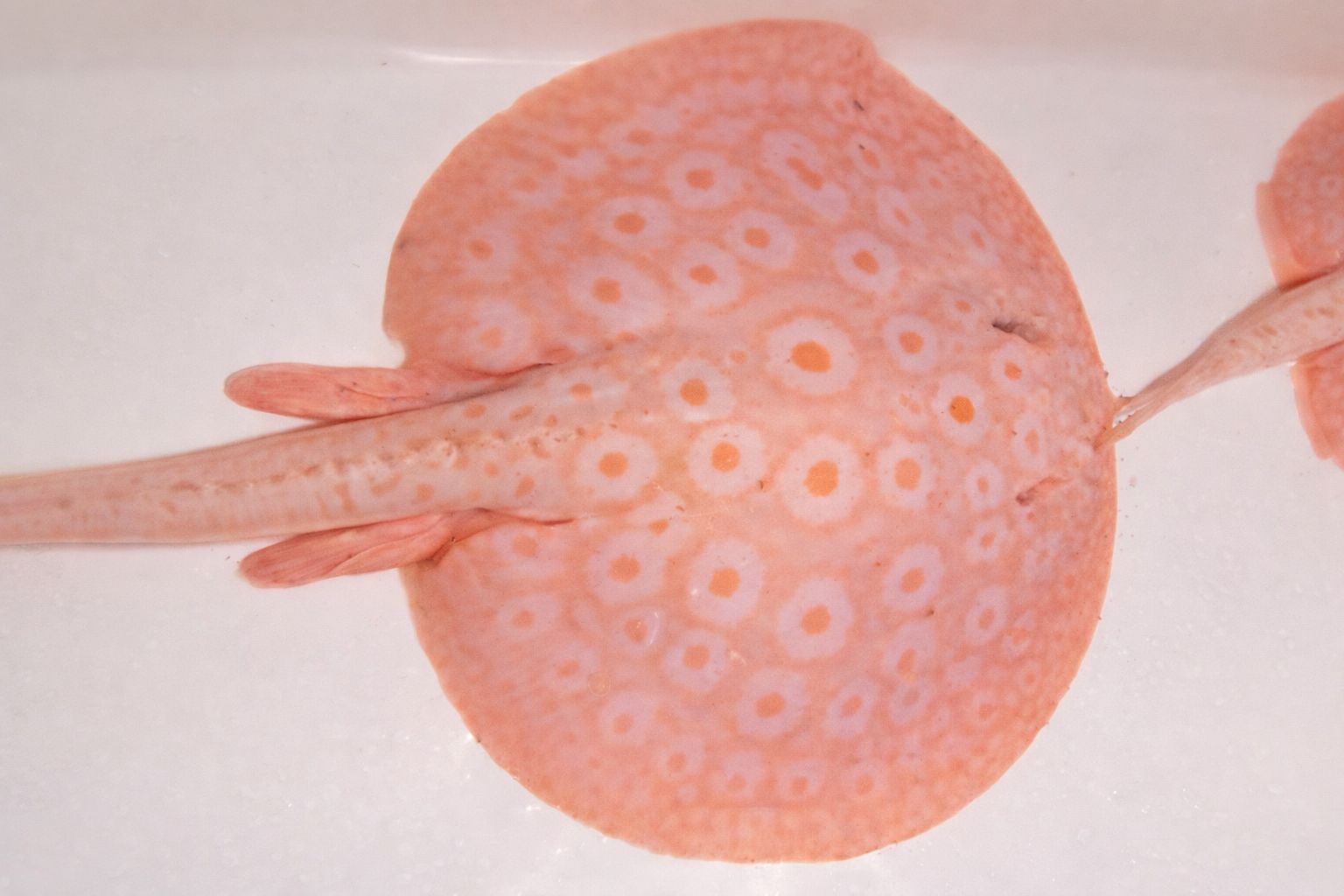
If you're setting up a tank for an Arowana, a large Polypterus species, a freshwater stingray (Potamotrygon spp.), or any Pimelodid catfish, the bioload is substantially higher than for small community fish. The cycle must be run harder.
Practical points for large-fish setups:
- Cycle at the ammonia load you intend to keep. If your 8 × 2 × 2 ft (roughly 900-litre) Arowana tank will eventually house a single 60 cm fish, dose accordingly — 3–4 ppm during cycling is not unreasonable for large predator setups, rather than the standard 2 ppm used for community tanks.
- Freshwater stingrays (Potamotrygon spp.) are exceptionally sensitive to both ammonia and nitrite. Even a brief spike to 0.25 ppm nitrite can cause a ray to stop eating, show edge curl on the disc, or go into prolonged stress. The cycle must be complete and verified before any ray goes in. Test on the day of introduction, not two days prior.
- Oversized biological filtration is not overkill. For a 6 × 2 ft predator build running large Bichir (Polypterus), Datnoid (Datnioides microlepis) or Wolf Fish (Hoplias aimara), a sump with a full biological chamber running at least 2× the calculated turnover rate is standard. The cycle on that system will take longer to establish — plan 6–8 weeks — but it will be significantly more resilient to bioload spikes when large food items decompose overnight.
- Do not add activated carbon to a new filter during cycling. Carbon will strip the ammonia you're deliberately adding, making it impossible to establish consistent dosing levels and slowing the process considerably.
When Is the Tank Actually Ready?
One final test, applied rigorously:
- Dose ammonia to 2 ppm (or your target level) in the evening.
- Test at the same time the following evening — exactly 24 hours later.
- Result must be: Ammonia = 0 ppm. Nitrite = 0 ppm.
- If either reads above 0, the cycle is not complete. Continue dosing, continue waiting.
- Repeat the test on a second consecutive day. Two clean readings = ready to stock.
Do not round down. Do not assume 0.25 ppm nitrite is "good enough." For the fish on our livestock pages — Arowana, stingrays, Wolf Fish, wild-caught Corydoras — it is not good enough. These are animals bought because they are extraordinary. The water they live in needs to match.
The Short Version
For those who want the summary before diving into the detail above:
- The nitrogen cycle converts toxic ammonia → nitrite → (relatively safe) nitrate via two families of bacteria living in your filter.
- Fishless cycling with pure ammonia is the safest, most reliable method. Expect 4–8 weeks.
- UK tap water chloramine is the single most common silent killer of cycling bacteria — use a chloramine-specific dechlorinator.
- Test daily during cycling; test every 2 days for the first month post-stocking.
- A stall is almost always pH, temperature, chloramine, or a contaminated ammonia source. Work through them methodically.
- The cycle is complete only when 2 ppm ammonia drops to 0 and nitrite reads 0 — simultaneously — within 24 hours. Nothing less.
For species-specific water parameter requirements, see our MTF care guides — every guide includes the exact pH, dGH, temperature and tank size the animal needs. When you're ready to stock a properly cycled tank, browse our current livestock — everything ships next-day with our Live Arrival Guarantee.
If you're planning a large predator or specimen build and want to talk water chemistry before committing, get in touch. We're fishkeepers first, retailers second.