Tropical Fish Diseases: Identification, Treatment & Prevention for UK Hobbyists
b-tropical-fish-diseases-identification-tr-2605181900 · coupon SHIP-TROPICALFISHDISEAS-260518- MTF Transhipping Service → https://mtf-aquatics.co.uk/shop/transhipping/transhipping/
- Giant Wolf Fish Care Guide → https://mtf-aquatics.co.uk/care-guides/giant-wolf-fish-care-guide/
- Corydoras Care Guide → https://mtf-aquatics.co.uk/care-guides/corydoras-care-guide/
- MTF Blog → https://mtf-aquatics.co.uk/mtf-blogs/
Tropical Fish Diseases: Identification, Treatment & Prevention for UK Hobbyists
Something looks wrong with your fish. A dusting of white powder on the flanks, a fraying tail, a body swollen like a pinecone — or perhaps your fish is just hanging near the surface, dull and disengaged. Before panic sets in, the most useful thing you can do is identify what you are actually looking at.
This guide covers the four diseases UK hobbyists encounter most frequently: white spot (Ichthyophthirius multifiliis), velvet (Oodinium pillularis / Crepidoodinium cyprinodontum), fin rot (usually Aeromonas or Pseudomonas spp.), and dropsy. For each one we walk through the visual signs, the biological cause, the water-chemistry response, and the treatment framework — including what quarantine does and does not solve.
A note on medication: UK hobbyists have access to a range of licensed treatments (formalin/malachite green products such as eSHa 077, Waterlife Protozin; antibacterial preparations such as eSHa 2000, Waterlife Myxazin). This guide names symptoms and describes treatment protocols accurately — always read the manufacturer's datasheet and follow dosing instructions for your specific product. Never mix medications without confirming compatibility.
White Spot (Ich) — Ichthyophthirius multifiliis
What you are looking at
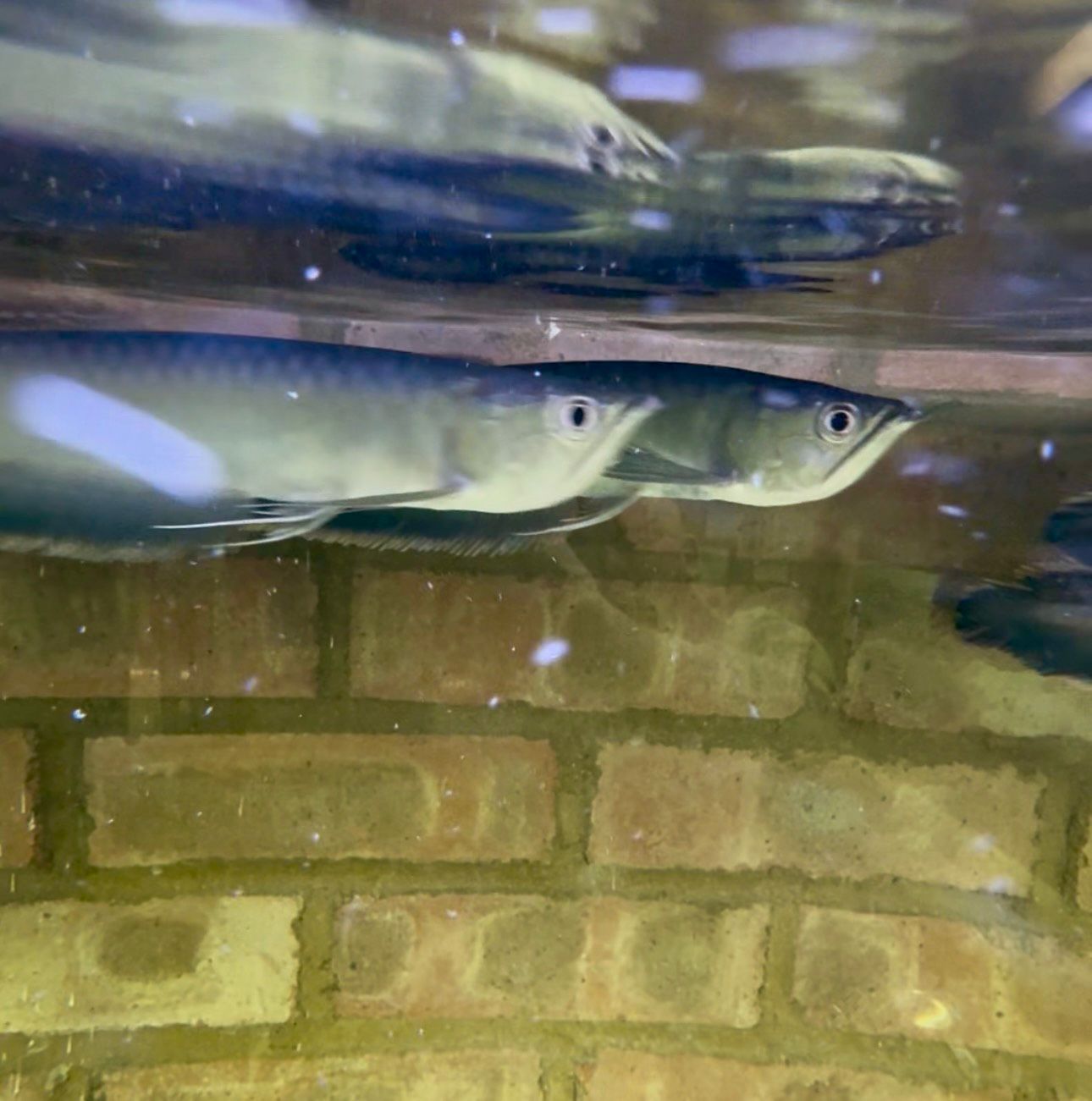
Small (0.5–1.5 mm), round, salt-grain white pustules scattered across the body, fins, and gills. Fish flash (rub against hardscape), breathe faster than normal, and may clamp their fins. In heavy infestations the gills are affected before the skin shows obvious cysts — which is why gill involvement is often the first clinical sign in large predators like Arowana (Osteoglossum spp.) or Wolf Fish (Hoplias aimara).
The lifecycle — why timing matters
| Stage | Location | Duration (at 26 °C) | Drug-susceptible? |
|---|---|---|---|
| Trophont (feeding) | Embedded in skin/gills | 4–7 days | No |
| Tomont (cyst on substrate) | Bottom of tank | 8–24 hrs | No |
| Theront (free-swimming) | Water column | Up to 48 hrs | Yes |
This is the critical point: medication only kills the free-swimming theront stage. The white pustules you can see are already immune to treatment. Every treatment cycle must run long enough — typically 7–10 days minimum — to intercept multiple waves of theronts hatching from the substrate.
Water temperature and treatment
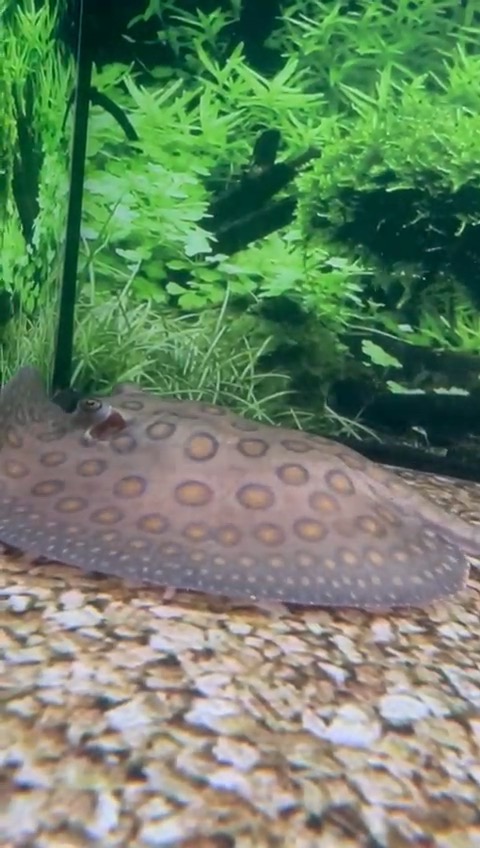
Raising the temperature to 28–30 °C (if the species and tank will tolerate it) accelerates the lifecycle, forcing theronts to emerge sooner and shortening treatment duration. Adding aquarium salt at 1–2 g/L creates an osmotic stress that free-swimming stages struggle against and supports the fish's own mucus barrier. For scaleless species — stingrays (Potamotrygon spp.), Bichir (Polypterus spp.), or L-number Plecos — salt and heat must be used at the lower end; copper-based treatments are lethal to these fish and should be avoided entirely.
Formalin/malachite green combinations (e.g. eSHa 077, Protozin) remain the UK standard for ich treatment in scaled fish. Treat the display tank or, ideally, a quarantine tank (QT) with appropriate medication for a full cycle.
Velvet — Oodinium pillularis / Crepidoodinium cyprinodontum
What you are looking at
Velvet is frequently misidentified as ich because both produce a dusty film on the body. The key differences:
| Feature | White Spot | Velvet |
|---|---|---|
| Granule size | 0.5–1.5 mm (visible to naked eye) | 0.05–0.1 mm (gold/rust dust) |
| Colour | White | Gold, yellow, or rusty-brown |
| Best viewed | Normal room light | Torch or narrow-beam light in a darkened room |
| Progression | Moderate | Rapid — can kill in 24–48 hrs |
Velvet (Oodinium) is a dinoflagellate — part-parasite, part-plant — that photosynthesises. This means dimming tank lighting actively slows it down. Fish show extreme flashing, rapid opercular movement, and tissue destruction where large numbers of parasites embed.
Treatment
- Dim or eliminate tank lighting immediately.
- Raise temperature to 28 °C (within species tolerance).
- Copper-based medications (e.g. Waterlife Cuprazin) are highly effective in scaled fish, but lethal to invertebrates, stingrays, and scaleless fish at therapeutic doses — treat in QT only and never use in a tank with rays or Plecos.
- Acriflavine/methylene blue products work on sensitive species at lower risk.
- Velvet cysts can remain dormant on substrate: treat for a minimum of 10–14 days after last visible sign.
Fin Rot — Aeromonas, Pseudomonas, Columnaris
What you are looking at
Fin rot starts at the margins and works inward. Early stage: frayed or slightly opaque fin edges, sometimes with a white border. Advanced: fins shredded back to the base, reddening at the body wall, possible ulceration into muscle tissue. It almost never arises in a well-maintained tank without a prior stressor — overcrowding, a water-quality event, or physical damage from a tankmate.
Causes and water-quality first response
Fin rot is a bacterial secondary infection. In the vast majority of cases, fixing the underlying cause first — and only then treating — is more effective than medication alone:
- Test water immediately — ammonia, nitrite, nitrate, pH. Fin rot flares are frequently preceded by a spike in ammonia (0.25 ppm ammonia is enough to compromise the mucus barrier).
- Perform a 25–30% water change with dechlorinated water matched to tank temperature.
- Remove any sharp hardscape that could be tearing fins.
- Quarantine the affected fish if aggression from tankmates is suspected.
For mild cases (fraying only, no redness), improved water quality and optional aquarium salt at 1–2 g/L often resolves the issue within 2 weeks without medication. For advanced cases with tissue ulceration, a broad-spectrum antibacterial (eSHa 2000, Waterlife Myxazin) run for the recommended course is appropriate. Columnaris (Flavobacterium columnare), sometimes called cotton-wool disease or saddleback, presents similarly but typically has a white or grey fuzzy patch — more of a mould appearance — and is treated with the same antibacterials.
Dropsy — a syndrome, not a single disease
What you are looking at
Dropsy is the clinical term for extreme fluid accumulation in the body cavity, causing:
- Swollen abdomen — the fish looks balloon-like
- Pinecone scales — scales stand away from the body at 45°, visible from above
- Exophthalmia (pop-eye) — eyes bulge outward, often alongside abdominal swelling
- Lethargy, loss of appetite, pale colouration
Dropsy is a symptom complex, not a single pathogen. Causes include bacterial septicaemia (Aeromonas hydrophila most commonly), viral haemorrhagic septicaemia, internal parasites, organ failure, or dietary deficiency. This is important because it sets expectations: dropsy is frequently not curable, particularly in small fish or cases presenting late.
Prognosis and response
| Stage | Signs | Prognosis |
|---|---|---|
| Early | Mild bloating, mild scale lifting | Guarded — treat aggressively |
| Mid | Clear pinecone, pop-eye | Poor — supportive care |
| Late | Extreme swelling, unable to maintain position | Very poor — consider humane euthanasia |
Isolate immediately — while dropsy is often not directly contagious, the underlying bacterial infection can spread.
- Aquarium salt at 2.5–3 g/L reduces osmotic stress and can slow fluid accumulation.
- Antibacterial treatment (Maracyn 2 / kanamycin-based if available; eSHa 2000 as a UK accessible alternative) may arrest bacterial septicaemia if caught early.
- Improve water quality and reduce stressors: temperature stability, hiding cover, tank hygiene.
For large specimen fish — a 12-inch Black Arowana (Osteoglossum ferreirai) or a Snow White Pearl Stingray with a disc diameter exceeding 11 inches — the cost-benefit of aggressive treatment is real. Consult a veterinarian with fish experience for prescription antibiotics where valuable animals are concerned. Fish vets exist in the UK and are worth the call.
The Disease-Prevention Hierarchy: Quarantine First, Everything Else Second
Every experienced fishkeeper who has lost a tank to whitespot will tell you the same thing: the outbreak can almost always be traced back to a single fish added without quarantine. This is not a minor inconvenience step — it is the single most effective disease-management tool available.
Quarantine tank (QT) — minimum specification
| Parameter | Requirement |
|---|---|
| Volume | 60–200 L depending on fish size |
| Filtration | Cycled sponge filter (seeded from main tank if possible) |
| Heater | Adjustable — allows raising to 30 °C for treatment |
| Lighting | Dimmable |
| Decor | Minimal — PVC pipes or terracotta pots only. No substrate. |
| Duration | Minimum 4 weeks before introduction to display tank |
Four weeks catches the vast majority of pathogens. Ich with a substrate-stage cyst can persist in a bare QT where you will see it; in a decorated display tank you may not notice until the whole population is affected.
Why quarantine matters even more for rare and imported fish
When fish travel from Indonesia or South-East Asia — as with MTF's transhipped specimens — they experience a significant immune challenge regardless of how carefully they are packed and shipped. Even fish that arrive healthy and feeding can carry subclinical parasitic loads that only manifest under the stress of a second move into your display tank. A 4-week QT allows:
- Confirmation of stable feeding
- Observation for any latent parasite emergence
- Prophylactic treatment if indicated (e.g. a formalin/malachite green course as standard for all wild-caught arrivals)
- Gradual water-parameter adjustment to match your display tank chemistry
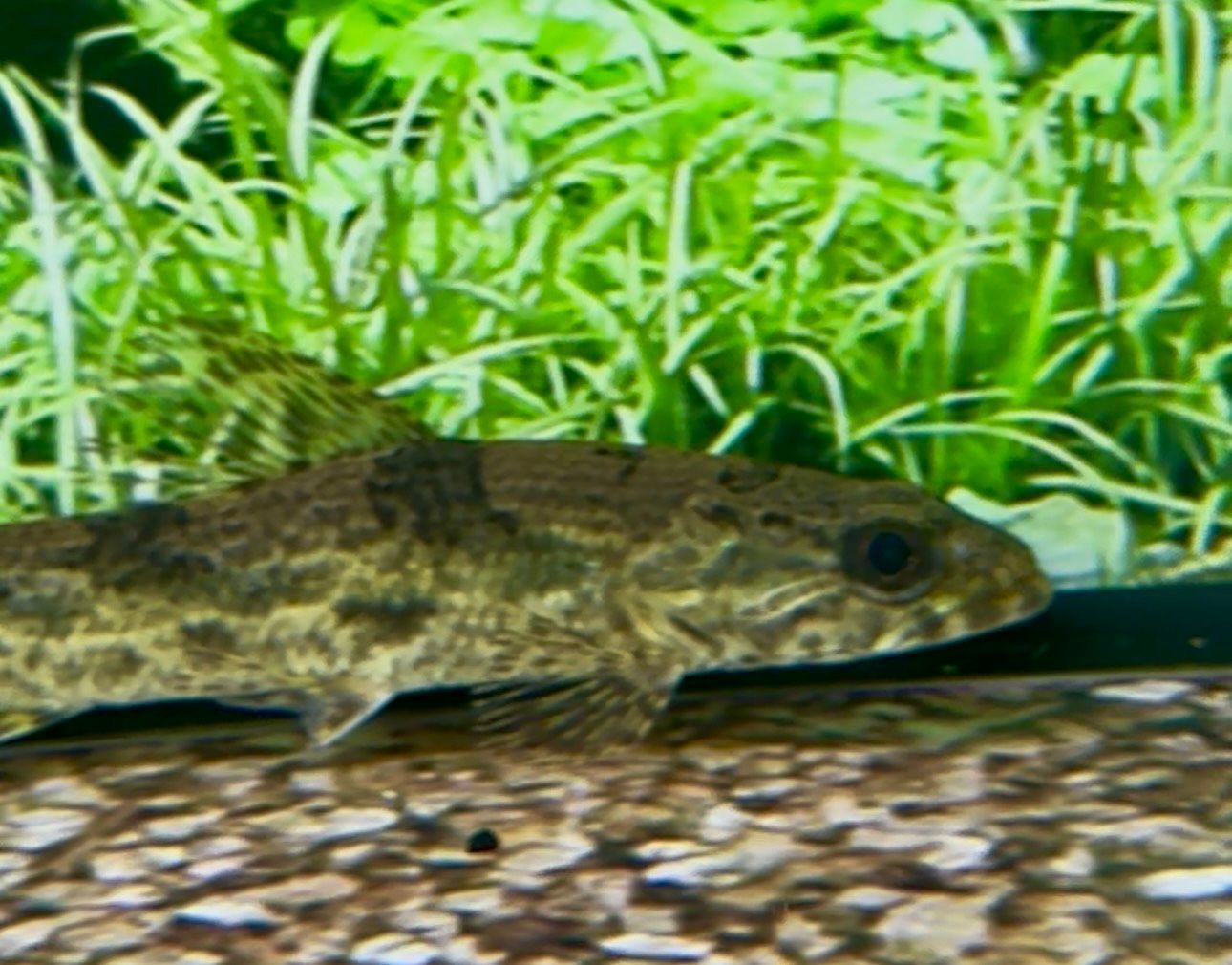
For large predators like Hoplias aimara (Giant Wolf Fish) — see our Giant Wolf Fish Care Guide for full setup parameters — QT also serves as a controlled feeding environment where you can assess prey response before introducing the animal to a permanent tank.
Water quality as the baseline
No medication outperforms clean, stable water. The majority of disease presentations in established tanks trace back to a water-quality event:
- Ammonia > 0 ppm: compromises gill tissue and mucus immunity immediately
- Nitrite > 0 ppm: oxidises haemoglobin (brown blood disease), weakening the fish systemically
- Nitrate > 40 ppm: chronic low-grade immune suppression, particularly in sensitive species like stingrays
- pH instability: fish stressed by pH swings of >0.3 units within 24 hours are significantly more susceptible to opportunistic infections
- Temperature fluctuation: a drop of 2–3 °C overnight is one of the most reliable triggers for white spot outbreaks
A quality liquid test kit (API Master Test Kit is the UK hobbyist standard; Salifert for more sensitive stingray tanks) and a reliable thermometer are the two most important diagnostic tools you own.
Species-Specific Sensitivities — Know Before You Dose
Generic disease advice assumes a community tank of hardy tetras. MTF's customers are keeping Arowana, stingrays, Datnoids, Bichir, L-number Plecos, Pike Cichlids, and Corydoras. These fish have real sensitivity differences:
| Species group | Copper | Salt | Formalin/MG | Temperature raise to 30 °C |
|---|---|---|---|---|
| Scaled fish (Arowana, Datnoid, Cichlids) | Therapeutic | Tolerated up to 3 g/L | Therapeutic | Usually tolerated |
| Scaleless (Bichir, Knife Fish) | Avoid | 1–2 g/L max | Use with caution | Usually tolerated |
| Stingrays (Potamotrygon spp.) | Lethal at therapeutic dose | 0.5–1 g/L max | Use with extreme caution | 28 °C max |
| L-number Plecos | Avoid | 1 g/L max | Use with caution | Usually tolerated |
| Corydoras | Avoid | 1 g/L max | Use with caution | Usually tolerated |
For further detail on Corydoras sensitivities and tank management, see our Corydoras Care Guide.
Never dose a stingray tank with copper. This is not a precaution — it is a death sentence for the animal at any concentration sufficient to kill Oodinium. Treat rays in a bare QT only, with acriflavine-based products, low salt, and elevated but carefully monitored temperature.
Quick Reference: The Four Diseases at a Glance
| Disease | Pathogen | Key visual sign | Treatment family | Quarantine priority |
|---|---|---|---|---|
| White spot | Ich protozoan | Salt-grain white cysts | Formalin/malachite green; heat + salt | High — spreads tank-wide rapidly |
| Velvet | Oodinium dinoflagellate | Gold/rust dust (torch needed) | Copper (scaled); acriflavine (sensitive) | Critical — kills fast |
| Fin rot | Aeromonas/Pseudomonas bacteria | Fraying, opaque fin margins | Fix water quality; antibacterial | Moderate — address stress first |
| Dropsy | Bacterial/multifactorial | Pinecone scales, bloating | Antibacterial + salt + vet referral | High — isolate immediately |
Final Thought
Disease is a downstream problem. It arrives when the baseline — water quality, quarantine, stable temperature, appropriate stocking — breaks down. Get the baseline right, keep a cycled quarantine tank ready at all times, and the vast majority of outbreaks either never happen or are caught early enough to resolve cleanly.
If you are buying from a reputable specialist source — particularly fish that have been health-checked, quarantined, and confirmed feeding before dispatch — you are already starting from a better position than you would be sourcing from a high-street retail chain. Every fish that leaves MTF has been assessed before shipping. That does not replace your QT. It supplements it.
Browse our current livestock — from wild-caught Corydoras to Indonesian stingrays — and every fish ships with our Live Arrival Guarantee. Browse the MTF Blog for more care guides as they go live.